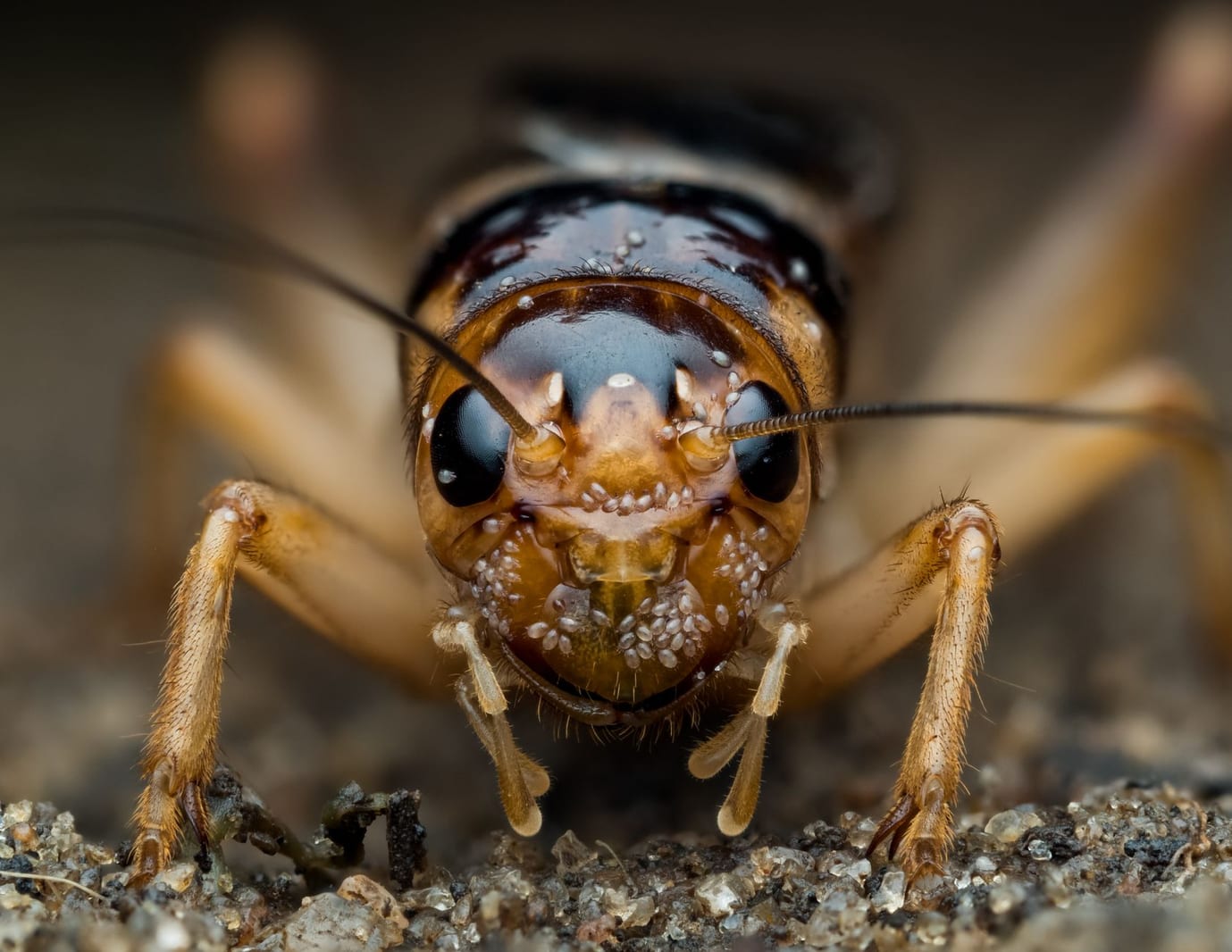
Cricket control in Park Slope: what to know
Park Slope's signature brownstones and limestone row houses are beautiful and old — the same deep voids, shared walls and original plumbing that make them charming also make them prone to rodents, ants and cockroaches moving between floors and homes.
The neighbourhood's location on the edge of Prospect Park means added seasonal pressure from rodents, mosquitoes and ticks, and from outdoor ants foraging indoors in warm months.
Family-dense brownstone blocks and the restaurant corridors along Fifth and Seventh Avenues keep food-source pressure high year-round.
Signs you need cricket control
- Chirping at night (house crickets) coming from basements or walls
- Humpbacked, long-legged crickets jumping in basements, cellars or bathrooms
- Holes or damage in stored fabric, cardboard or paper in basement storage
- Crickets concentrated in damp, dark ground-floor and below-grade areas
How we treat cricket control in Park Slope
Crickets — especially the humpbacked camel cricket (often called a 'spider cricket' or 'cave cricket') — are a common but under-treated NYC pest. They thrive in the damp basements, cellars, crawl spaces and ground-floor units that older New York buildings have in abundance, and their chirping and jumping make them especially unwelcome indoors.
Camel crickets don't chirp but they jump erratically when disturbed and feed on fabric, cardboard and stored items in basements. House crickets are drawn to warmth and light. Both signal a moisture and entry-point problem, which is why treatment that ignores the underlying conditions never holds.
Local landmarks & coverage
We serve all of Park Slope and the surrounding Brooklyn area — including Prospect Park, Fifth Avenue, Seventh Avenue, Grand Army Plaza — across ZIP codes 11215, 11217, 11218.