Stinging insect removal in Park Slope: what to know
Park Slope's signature brownstones and limestone row houses are beautiful and old — the same deep voids, shared walls and original plumbing that make them charming also make them prone to rodents, ants and cockroaches moving between floors and homes.
The neighbourhood's location on the edge of Prospect Park means added seasonal pressure from rodents, mosquitoes and ticks, and from outdoor ants foraging indoors in warm months.
Family-dense brownstone blocks and the restaurant corridors along Fifth and Seventh Avenues keep food-source pressure high year-round.
Signs you need stinging insect removal
- Steady insect traffic in and out of a cornice, window frame, or masonry gap on the building exterior
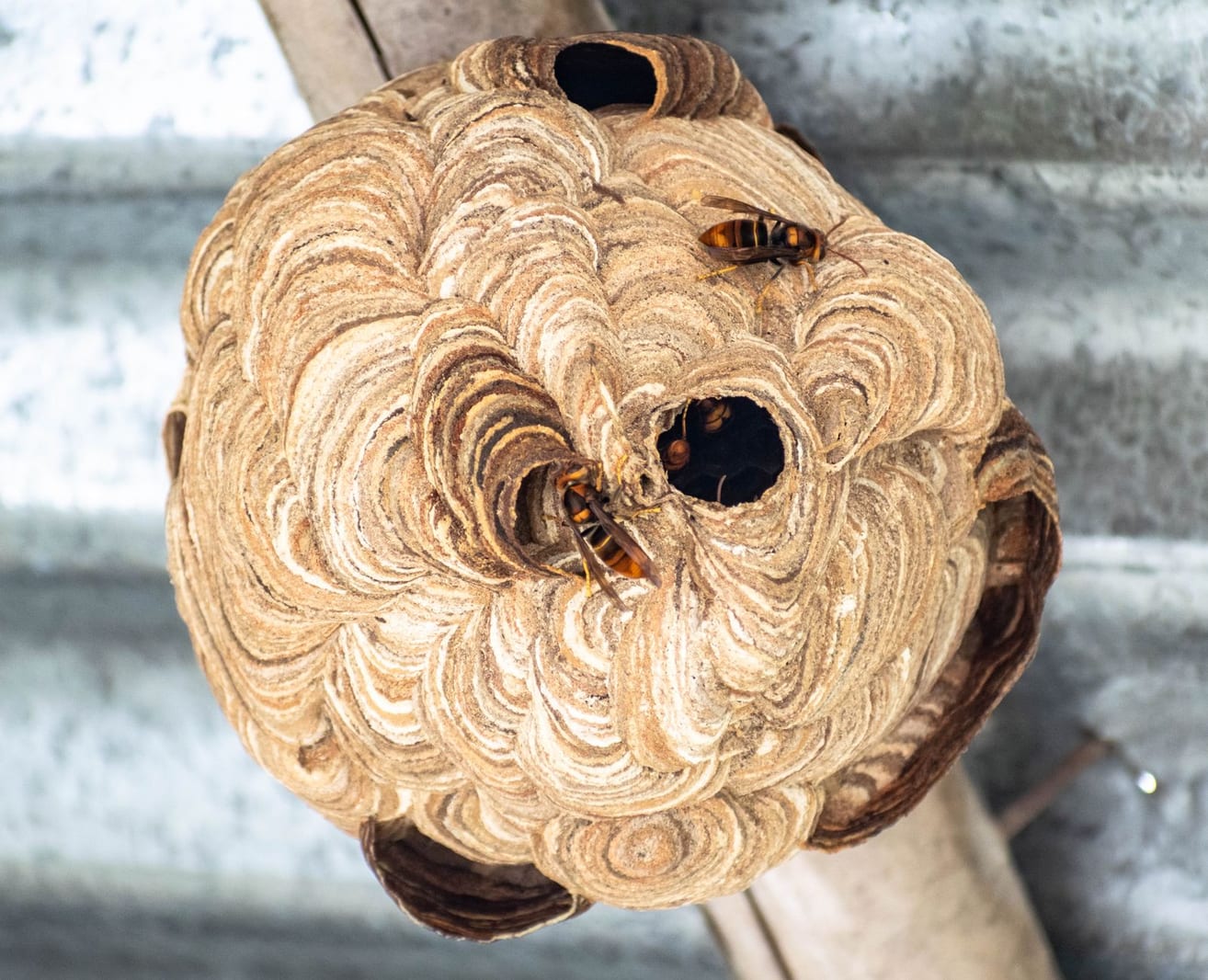
- A visible nest tucked under eaves or in a brownstone's decorative stonework
- Aggressive stinging insects near an entryway, stoop, or building facade
How we treat stinging insect removal in Park Slope
Brooklyn Heights' density means most stinging-insect calls here are building-nest calls, not yard-nest calls — the neighbourhood is landmarked brownstones and row houses, not detached homes with lawns. Wasps and yellow jackets look for the same kind of gap that lets ants and rodents in: settled cornice work, old window frames, and masonry cracks in 19th-century construction.
A nest tucked into a brownstone cornice or behind old window trim is often out of sight until traffic to and from the opening becomes noticeable, so we check the building's exterior detailing carefully rather than assuming a ground-level yard search will find it.
Local landmarks & coverage
We serve all of Park Slope and the surrounding Brooklyn area — including Prospect Park, Fifth Avenue, Seventh Avenue, Grand Army Plaza — across ZIP codes 11215, 11217, 11218.